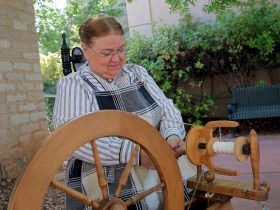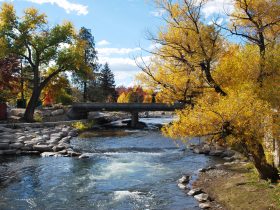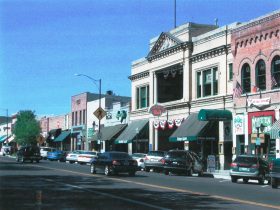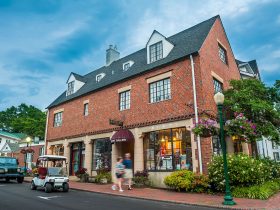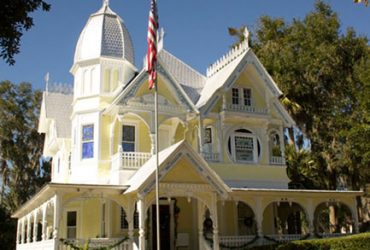
Much has been written about where “empty nesters” might move as their children move off on their own. One longstanding favorite is the notion that, having jettisoned their children, the boomers will also desert their suburban communities for the bright city lights. Unfortunately for developers — some of whom have invested heavily in high-end housing for urbanizing “empty nesters” — the actual data do not support this thesis. Indeed, our analysis of migration by this cohort in the past 10 years shows a 10.3% decline among core city dwellers, a loss of some 1.3 million people over the past decade.
For this analysis, Forbes, with the help of demographer Wendell Cox, looked at population numbers from the Census for boomers aged 45 to 54 in 2000 and compared them with the numbers for those ages 55 to 64 in 2010. Much has been written about where "empty nesters" might move as their children move off on their own. One longstanding favorite is the notion that, having jettisoned their children, the boomers will also desert their suburban communities for the bright city lights.
Link to Full Story Here and Towns Here:
http://www.forbes.com/sites/joelkotkin/2011/08/12/biggest-boomer-towns/
You may have heard the term "sun protective clothing" and thought, isn't all clothing sun protective? Simply, the answer to this question is no. All clothing is not created equal when it comes to sun protection.
There are a number of factors that affect the level of ultraviolet protection provided by a fabric. In order of importance these are: weave (tighter is better), color (darker is better), weight (also called mass or cover factor - heavier is better), stretch (less is better) and wetness (dry is better). Recently, the addition of chemicals such as UV absorbers or UV diffusers during the manufacturing process has become another important way to create UV protection in summer fabrics.
Regular summer clothing does not always provide sun protection. In fact, most regular summer clothing provides poor protection against ultraviolet radiation. Many open-weave, light-weight summer fabrics, like those used for t-shirts, provide less UV protection than an SPF 15 sunscreen. In addition, summer clothing - sleeveless blouses, backless sun-dresses, shorts, bikinis, t-shirts are clearly not designed for sun protection. A major goal for sun protective clothing designs is to cover as much skin as possible while still making the garment cool, comfortable and fashionable. Regular summer clothing styles are typically designed to expose skin - arms, neck, shoulders - rather than cover it.
The most comfortable sun protective fabrics are typically sophisticated, technical fabrics that are lightweight, cool and easy to wear. Coolibar, the most recommended and tested sun protective clothing company, has embedded zinc oxide (ZnO), a natural mineral compound with well-established sun protection properties, into the fibers of natural cotton and bamboo to create ZnO SUNTECT® fabric. Coolibar also developed lite SUNTECT® fabric which is light-weight and highly protective because it contains a UV diffuser - titanium dioxide - embedded in the microfibers. Coolibar's aqua SUNTECT® fabric is a knit swim fabric that stretches but contains no lycra so holes do not appear in the fabric as it ages in salt and chlorinated water. The entire portfolio of Coolibar SUNTECT® fabrics provide sophisticated sun protection and is rated to block 98% of harmful UV rays for maximum protection.
Sun protective clothing is economical, environmentally friendly and the most effective way to protect your skin from the harm caused by UVR. Sun protective clothing is also recommended first by both the American Academy of Pediatrics and the American Academy of Dermatology as the most effective means of sun protection. Be sure to use broad spectrum sun screen on any skin left exposed and wear a hat and sunglasses.
It's never too late to protect your skin, and by doing so, you may help prevent skin cancer.
The website offers articles of interest, stories of reinvention and a cool on-line store. The Shop features beautiful and excellent quality American Made tees, tanks and thermals for women and men as well as fun gifty items like bling water bottles and mugs. In addition, ndy is very proud to donate a portion of every sale to Womens cancer research, Alzheimer's and grief support services.
Shop ndy for the Holidays! http://www.ndynotdoneyet.com/shop.html
1. Wash your hands and face and brush your teeth. It cools your body, which is relaxing, and gives you that "fresh start" feeling.
2. Put on clean socks and some shoes that you haven't worn in a few days. Shoes take a day or two to release any moisture they have absorbed, and this is a very easy way to put a little pep back into your step.
3. Give yourself a good shave (face or legs). This is another instant refresher. Plus, when we know we are looking our best, we naturally feel better.
4. Look at any trophy, diploma, or certificate of achievement that you have earned. And if it isn't framed and on the wall, frame it now. These are reminders of your accomplishments, and taking in your success is important to maintaining your self-esteem.
5. Remember your last (or greatest) success and think about it for sixty seconds. Taking in your success as often as possible will help you reach another and another. Quite simply, it reminds you that if you've done it before, you can do it again.
6. Know you are the person your kids or other loved ones think you are. Knowing that you are unconditionally loved can't help but make you feel good about yourself.
7. Wash your car, inside and out. Hey, when our wheels are shiny, we feel better. If you don't think this applies to you, just remember how you felt the last time you got a ride in someone's very funky car. Race you to the car wash.
8. Organize your closet and get rid of anything that no longer fits. Old clothes may come back into style, but you really don't want them on hangers for the next twenty years. Throwing out the old makes room for the new. For some, the feeling they get from putting on a new "power suit" fills them with pride.
9. Cook a lovely meal. Even if you are by yourself, preparing a tasty dinner, setting the table, and treating yourself to a wonderful culinary experience will lift your spirits. Sharing it with someone you love and/or respect will make it even more nurturing.
10. Look around you, remember that you started with nothing, and know that everything you see, you created. We can all lose our feelings of self-worth, especially when something goes wrong in our world. The truth is that if you have done it before, you can do it again-no matter what.
None of these tasks has to be uncomfortable or take you much time. Finding ways to give yourself a little boost when you're not feeling like you're at the top of your game is a trick that truly happy people use on a regular basis.
Pulte opened an active-adult community in Cary, Carolina Preserve at Amberly, in 2006 under the company's Del Webb brand. Other age-restrictive developments in the Triangle include Heritage Pines in Cary, Chapelwood in Chapel Hill and Summerwinds Plantation in Clayton.
Excerpts from David Bracken at The News Observer
What images spring to mind at the mention of "baby boomers?" Executives? Yoga teachers? Botox? All of the above?
Media expert Nancy Shonka Padberg turns the spotlight on top issues facing the baby boomer generation.
By Emily DiFrisco
The multifaceted baby boomer group comprises 78 million people living in the United States today. They fall between the "Silent Generation" (the children of the Great Depression) and Generation X. Born between 1946 and 1964, baby boomers are the healthiest, wealthiest, most educated, and prosperous generation thus far, plucked right from the pages of American history.
Boomers saw the U.S. change from a manufacturing economy to a knowledge economy. They saw the formation of the Interstate Highway System, enabling their families to "pack up the station wagon" and travel like never before. They were able to leave their hometowns and go to college. They embraced technology, as they saw the number of television sets grow from 4 to 50 million from 1950 to 1960.
"In the industrial age, it was all about product, price, place, and promotion," says Nancy Shonka Padberg (MBA '03), founder of Best Boomer Towns, Inc., and Navigate Boomer Media, LLC. "The manufacturers pushed the product to the customer. You could get your Ford in black or black. In the knowledge age, it is all about consumers, cost, convenience, and communication. The consumer is in charge. And I would argue that the boomer consumer is in charge."
Even as they age, baby boomers still control 70 percent of the total net worth in the U.S. They spend an average of $3 trillion dollars per year and an additional $7 billion online. They purchase 41 percent of new cars and shell out for 80 percent of luxury travel.
Padberg, a former Fortune 500 executive, first discovered the baby boomer market as vice president at The Phelps Group, where she worked on campaigns for Fairmont Hotels, PETCO, and Whole Foods Market. "All these companies have research on their clientele," she explains, "and the research was astounding. Specifically, with PETCO, we found that baby boomers and empty-nesters spent the most on their pets."
As part of the team developing TV, print, and radio campaigns, Padberg strove to help advertisers understand and reach the boomer audience. She asked her clients, "How do we connect with boomers emotionally? It was easy with animals. We really had some terrific commercials for PETCO."
Seeking to start her own marketing firm and realizing that with knowledge comes opportunity, Padberg went back to school, earning her MBA from the Graziadio School of Business and Management of Pepperdine University, where she "saw all the pieces come together." In marketing class, she again studied the demographics of boomers. She also learned the two biggest takeaways for a startup: have a clear point of differentiation and develop a healthy culture.
Parlaying her knowledge from school and her career, the Iowa native developed a business plan for Best Boomer Towns, Inc., which launched in 2005. The Web site serves as a destination for boomers to find and exchange information on the best 21 locations in the U.S. to relocate or retire.
Recognizing additional needs in the marketplace, Padberg brought together nine media colleagues, including Pepperdine alumnus Kyle Murphy (BSM '04, MBA '05), and launched Navigate Boomer Media, LLC in Fall 2009. Navigate allows time-starved media buyers and marketers to buy display advertising on 10, 15, or 20 Web sites at a time. Launched in 2009 with 50 sites, the company now represents 119 sites with over 112 million unique visitors per month.
"Boomers spend an average of 15 hours per week online," says Padberg of her decision to create online businesses. "Print and radio can't say they have their audience for 15 hours per week. The largest segment of the population is coming through and embracing new technology like never before. In fact, the fastest growing segment on Facebook in the last year has been women 50-plus."
Not even one year later, Navigate Boomer Media has emerged as the No. 1 online boomer ad network in the U.S. They represent boomer-focused Web sites such as vibrantnation.com, grandparents.com, and silverplanet.com, and publish original content for Web sites, blogs, social networking communities, and streaming radio. The business is now expanding into Canada and Southeast Asia.
While the young company continues to grow, Padberg observes, "We're not a Fortune 500 company, we're not corporate. We wear quite a few hats. We're nimble and can make quick decisions. We know that we have the right media with the right target audience, at the right time."
Summer 2010
Pepperdine Magazine Article August 31, 2010
I admire Warren Buffett, not because of his wealth, but because of his lack of pretention. He doesn't believe that giving money to his kids equates with giving them love. He wanted them to carve out their own path and believed that 'setting them up with unlimited wealth is harmful and an anti-social act.'
His decision to donate nearly $37 billion to the Gates Foundation may have shocked the world, but it came as no surprise to his three children, whom he'd consulted first.
A few years ago, his children, Susan, Howard and Peter said they supported their father's decision not to leave all his money to them. http://abcnews.go.com/print?id=2133209
"The truth is it would be insane to leave us that much money," said Susan Buffett. "It just would be."
Buffett gave $1 billion to his children's three charitable foundations: the Susan A. Buffett Foundation, which focuses on early education for children of low-income families; the Howard G. Buffett Foundation, which has helped 42 countries; and the Novo Foundation, Peter Buffett's organization for democracy. They each draw a salary from their work.
Keep in mind that the Buffett kids grew up in a 3 bedroom, 2 bath house in Omaha Nebraska. They attended local elementary and high schools . Their friends were neighborhood kids who actually played without needing play dates or being chauffered from house to house. The Buffett kids grew up without pretension; money wasn't the way they measured their parents' love.
Each Buffett sibling recently received a letter from their father in which he wrote: "I consider myself lucky to have three children who want to spend much of their time and energy working on projects that will benefit others. I am proud of what you are doing and your mother would be proud as well. Love, Dad."
I like this man, in spite of his wealth.
Personal income tax
* California collects income tax from its residents at the following rates.
For single and married filing separately taxpayers:
1.25 percent on the first $7,060 of taxable income
2.25 percent on taxable income between $7,061 and $16,739
4.25 percent on taxable income between $16,740 and $26,419
6.25 percent on taxable income between $26,420 and $36,675
8.25 percent on taxable income between $36,676 and $46,349
9.55 percent on taxable income of $46,350 and above
* A 1 percent surcharge, the Mental Health Services Tax, is collected on taxable incomes of $1 million or more, making California's highest marginal rate 10.55 percent.
* For married persons filing joint returns and heads of households, the rates remain the same but the income brackets are doubled.
* Residents must complete returns on Form 540EZ, Form 540A (short form), Form 540 (long form) or Form 540-ADS by April 15. When that date falls on a weekend or holiday, filers get until the next business day to submit their state returns.
* You might be able to file your California return electronically at no cost using CalFile if you meet the program's eligibility requirements.
* With Ready Return, eligible California taxpayers can view a pre-filled state tax return, update it if needed and e-file it directly with the state, all at no cost.
Have you made your list of passions, hobbies, sports?
Do you need to work after retirement for financial support?
Do you feel confident of financial security for twenty five years?
Do you have an emergency medical fund or insurance for retirement?
Do you have the money set aside to thrive in retirement?
Have you thought about the kind of home you want to live in?
Have you thought about the town, weather, cost of living and culture of the area?
Osteoarthritis begins with the breakdown of joint cartilage resulting in pain and stiffness. The joints of the hips, knees, spine and fingers are most commonly affected. Other joints that are less frequently affected are the ankles, wrists, elbows and shoulders. Osteoarthritis can be caused by work-related repetitive injury and physical trauma.
Rheumatoid Arthritis is more serious because it causes inflammation of the joint lining called the synovium. This can cause pain, stiffness, swelling, warmth and redness. The joint affected may lose its shape resulting in loss of movement. This type of arthritis can also affect the blood, the lungs and the heart. Usually women are more likely to be affected with RA and it is most common in the age range of 25 to 55. Children can experience this as well in a form called juvenile RA..
Studies have shown that exercise helps people affected by arthritis in many ways. It will reduce joint pain and stiffness and increase flexibility. Other benefits include muscle strength, endurance and cardiac fitness. Weight reduction from an exercise program combining strength training, flexibility training and cardiovascular activity can improve one's sense of vitality and well-being..
Before starting any exercise program, it is imperative to discuss your exercise plans with your physician. The amount and form of exercise recommended for each individual will vary depending on which joints are involved, how stable the joints are, the amount of inflammation, and if a joint replacement procedure has been done.
It is recommended to have a skilled physical therapist that is trained in medical and rehabilitation needs of people with arthritis to design a personalized exercise plan.
A skilled personal trainer must communicate with the physical therapist or physician to follow the format that has been prescribed and to understand the limitations and needs of the individual.
There are 3 types of exercises that are best for people with arthritis.
1,Range of motion exercise helps to maintain normal joint movement and relieve stiffness of the joints. An example would be gentle stretching and slow circular motions with the joints. An option can be slow, easy yoga where breathing is combined with relaxing, gentle moves.
2.Strengthening exercises help to increase muscle strength, which helps to support and protect joints affected. Properly lifting light weights is a good way to start to increase muscle strength. As you get stronger, you can gradually increase the amount of weight.
3. Aerobic endurance exercise improves cardiovascular fitness and improves overall function.
Some examples of aerobic exercise are riding a bicycle, brisk walking or swimming. Weight control is important because extra weight can put more pressure on joints. Some studies have shown that aerobic activity can reduce inflammation in some joints.
It is important to avoid strenuous exercises during acute periods of inflammation. However it is still important to gently move joints through their full range of motion during these periods. Exercise during times in the day when pain is typically less severe.
An adequate warm-up and cool down periods of 5 to 10 minutes is important and can help to avoid exacerbating the joints. Wear shoes that are shock absorbent and create the most stability. Heat applied to affected areas before exercise and ice afterwards can be helpful.
Heat can be applied before exercise to the surrounding muscles to help us warm up the troubled area by increasing circulation. This helps muscles and tendons become more pliable while it aids joint movement. Ice can be applied after exercise to reduce the inflammatory process that brings swelling.
Once again, I suggest that you get a doctor's approval and a plan designed for you specific needs. Once you begin, you will start to feel more energy and vitality. Exercise will give you a better quality of life.
I was reminded of this difference recently when reviewing the "plan" created by Lou, a friend of mine. Lou asked if I would, "take a look" at his plan and offer an opinion. He handed me a document that was several pages long, which contained the results of a risk analyzer and portfolio recommendations. I could see that he had spent some time creating this.
I immediately thought of the difference between strategies and plans and said, "This is interesting as a strategy, but lacking as a plan." He looked puzzled at my comment and I went on to explain, a true financial plan is a life plan. It starts with a vision of how you see your future, creating goals, setting priorities.
Once your goals are set, then you develop strategies. These should consist of more than building a portfolio. Strategies are the engine that drives you to your vision. They are the action steps that lead you to meet your goals. They must be comprehensive to be truly effective. Like an engine, which cannot run efficiently on a few cylinders, throwing together various strategies, without a global plan, will only get you spotty results and ultimately misfires. Strategies include creating timelines, understanding all areas of money management, insuring and protecting against catastrophe, and creating a Plan B for the unexpected.
A plan is an active document--an evolving project--which requires monitoring, tweaking and updating. Changes in your job, relationships, health, and financials will necessitate updates and adjustments. When priorities change, one goal may be accomplished, while another is added to replace it. For instance; the birth of a child or grandchild, may add college planning to the plan, or health issues may require additional care costs. Changes in relationships may require revamping your estate planning goals.
When the plan is active and not set in stone, you can easily readjust and keep moving forward. Making sure you stay on target to your goals will require vigilance. You will be updating and rebalancing your accounts, making adjustments in your strategies, and revisiting your timelines.
Try thinking of building a life, or financial, plan along the lines of taking a long journey. First, you have a vision of the trip, decide upon the various stops along the way, and then chart the route you will travel. Your vision becomes stronger, once you have that map out, the car goes into the garage for a tune-up, and the hotels are booked. Once begun, the journey is likely to follow twists and turns you didn't plan for and yet they add to the value of the experience. The restaurant you found on the back street when you took a wrong turn, the bad weather that caused you to postpone the canyon hiking for a trip to an antique shop full of bargains, all contribute to the evolving nature of an active journey. It's always changing and that allows you to make the best of whatever comes your way.
As you build your life/financial plan, keep these thoughts in mind:
1. Start with a vision.
2. Set timelines for goals.
3. Create strategies that align with your goals.
4. Monitor, adjust, rethink, tweak.
The destination you reach may be more wonderful than you ever imagined.
About Mike Bonacorsi, CFP®
Mike Bonacorsi is a CERTIFIED FINANCIAL PLANNERTM professional, public speaker and award-winning author of Retirement Readiness: A Guide to Creating Your Vision, Knowing Your Position, and Preparing for Your Future. You can listen to his radio show, The Mike Bonacorsi Show, at WSMN, 1590AM or on your computer at http://wsmnradio.com on Tuesdays from noon - 1:00 PM. For additional information, visit http://mikebonacorsi.com/. Follow Mike on Twitter @MikeBonacorsi. Read his blog at http://www.mikebonacorsi.blogspot.com/ Reprinted with permission of the author. 2009© Mike Bonacorsi CFP® All Rights Reserved.
Today this is considered and oddity but, could it become the norm at some point? The world population is getting older, the number of people and older is expected to increase from 516 million in 2009 to 1.53 billion in 2050, according to data released by the US Census Bureau.
The number of centenarians (100 years) has increased to more than 340,000 worldwide versus a few thousand in the fifties. By midcentury, the number of centenarians in the US could grow from 75,000 to 600,000.
Advances in medicine, healthcare and education concerning lifestyle choices have been big factors in longer living. Problems like heart disease, and many types of cancer a few years ago were the beginning of the end, now with proper treatment and monitoring they have become health issues rather than life-ending.
As a segment of the population grows fast another slows down, while the age group over 65 is expected to see a jump by 2050, the group under 15 years old will grow at a much slower rate, from 1.83 billion to 1.93 billion. In 2017, the number of people over 65 will exceed the number under age 5.
The aging population will stress Social Security, Medicare and health services, while the disappearance of pensions and lack of savings for retirement will them modifying their original thoughts of retirement. Longer and healthier life expectancies will find people working longer at their current job or starting a new career to provide income, benefits, or to remain active will be the norm rather than the exception.
About Mike Bonacorsi, CFP®
Mike Bonacorsi is a CERTIFIED FINANCIAL PLANNERTM professional, public speaker and award-winning author of Retirement Readiness: A Guide to Creating Your Vision, Knowing Your Position, and Preparing for Your Future. You can listen to his radio show, The Mike Bonacorsi Show, at WSMN, 1590AM or on your computer at http://wsmnradio.com on Tuesdays from noon - 1:00 PM. For additional information, visit http://mikebonacorsi.com/. Follow Mike on Twitter @MikeBonacorsi. Read his blog at http://www.mikebonacorsi.blogspot.com/ . Reprinted with permission of the author. 2009© Mike Bonacorsi CFP® All Rights Reserved
Mary had counted on that pension; the expense of raising a family, managing a household, and saving for college made it difficult for her and her husband Joe to commit money towards their retirement. They had hoped Mary's pension income along with Social Security, the small amount of savings in their 401k, and part-time work would cover their expenses during retirement. Would they have to work forever just to pay their bills? What would happen if they ran out of savings, or felt they were no longer able to work?
The defined benefit pension provides a benefit at retirement; an ongoing stream of income, often based on a formula of compensation and length of employment. The employer funds the plan, calculated to determine the amount needed to provide the benefit. Several options for distribution are usually available including a single life distribution that ends at the death of the pensioner or a survivorship option that provides a reduced benefit that continues through the lifetime of the surviving spouse.
The income is usually a percentage of actual compensation during the years of employment. Some plans have cost-of-living adjustments to safeguard against rising costs while others are vulnerable to the loss of purchasing power caused by inflation. Personal savings, IRA's and 401k's are still important to help fill the gaps between income and expenses, as well as providing for lump sum withdrawals and emergency resources.
The responsibility of making sure the plan benefit is available at retirement is the responsibility of the employer. The value of the plan is subject to periodic review by an actuary to ensure it is on track to meet the obligations. During prosperous times with strong investment performance, the plan might become over funded, exceeding the obligations due. Other times, poor performance could cause the plan to become underfunded. The employer would be responsible for bringing it back to funded status.
During the 1990's a shift began to occur regarding retirement benefits provided by employers. The costs of funding and the complicated administration caused many employers to begin freezing these plans and offering only defined contribution (401k) plans. These plans do not provide a defined benefit, it is unknown; only the contribution has a value. Investment performance and contributions determine the plan value; it may be more or less than the contributions at any time, including retirement.
By making the move from a defined benefit plan to a defined contribution plan the security of a no-cost continuous income stream escapes us. The responsibility of funding retirement moves from the employer to the employee. The employee makes pre-tax contributions to the plan through payroll deductions and directs it to the investment sub-accounts offered. The employer may or may not choose to contribute to the plan.
There is much discussion at this time concerning new retirement options; the decline of the pension, concerns about the longevity of Social Security, and the cyclical market declines will require us to be pro-active towards our retirement. Working longer, saving throughout our career and more employee education concerning retirement planning are steps in the right direction.
About Mike Bonacorsi, CFP®
Mike Bonacorsi is a CERTIFIED FINANCIAL PLANNERTM professional, public speaker and award-winning author of Retirement Readiness: A Guide to Creating Your Vision, Knowing Your Position, and Preparing for Your Future. You can listen to his radio show, The Mike Bonacorsi Show, at WSMN, 1590AM or on your computer at http://wsmnradio.com on Tuesdays from noon - 1:00 PM. For additional information, visit http://mikebonacorsi.com/ Follow Mike on Twitter @MikeBonacorsi. Read his blog at http://www.mikebonacorsi.blogspot.com Reprinted with permission of the author. 2009© Mike Bonacorsi CFP® All Rights Reserved
Starting Over
Instead of making a resolution, which most of us aren't all that great at keeping, why not look for some areas in your life where you'd like to begin anew? Here are some tools to make starting over a little easier and your new year a little more emotionally fit.
1. Starting over is not the same as recouping from a failure. It is a new beginning. This mindset is helpful because it keeps you from wasting your time being too hard on yourself.
2. Moving through life is like climbing stairs. You go up a level and then you level off. Nothing is ever a straight shot. Have some patience with yourself and with your newfound direction.
3. This new year is also a new decade. It could also be a new life if you approach it in the right way. Sometimes little ideas can turn into big things. Try writing that letter to the editor or, if you need to, make the choice to drink a little less alcohol.
4. Endings are not necessarily bad things. Even if the past year was your best so far, the one ahead might just leave it in the dust. This is also true if it's been your worst year so far, and you've suddenly found yourself unemployed or unattached.
Find a Therapist
Search for a mental health professional near you.
Find Local:
Acupuncturists
Chiropractors
Massage Therapists
Dentists
and more!
5. Starting over may feel scary, but it's really a cause for celebration. Think of it as exciting, and many of your anxious feelings will begin to fade.
6. Remember that your future is not governed by your past. No matter what has happened in your life, you can find a way to make things a little better for yourself, and hopefully for those around you as well.
7. Having to start over is different from choosing to start over. For those whose lives are still in chaos because of manmade and natural disasters, starting over is not a choice. Giving support to those in need and being able to accept it when necessary are great qualities.
8. Healthy alternatives to negative lifestyle patterns abound. Take baby steps if you don't feel comfortable making all your changes on January 1. If you can't stop a bad habit, start by cutting back. It's okay to give yourself a little time to moderate or stop something that's hurting you.
9. It's not all about joining a gym to get fit. What about taking a dance class to get in shape and have fun at the same time? Starting over can mean chasing your dreams. We're happiest when we're moving toward a goal.
10. Starting over is about giving yourself a chance at real happiness. You will have to be brave and get good at learning new things, but how bad can that be? At the very worst, you will acquire the skills you need to start on the next project.
The new year is a great time to start over. Remember that once you honestly commit to the changes, you have already begun the process.
elizabeth: I hate, despise and resent the term "cougar." Hate it with a passion. I Googled to find out who came up with this asinine label, and this was their answer: Late 80's in the dressing room of the Vancouver Canucks Hockeyteam, they called older single women that came to their games cougars. Okay, now I have to boycott Vancouver. I wasn't going to go there any time soon but I am taking a stand.
Laurie: It's starting to get cold up there anyway. Just don't go boycotting an island.
elizabeth: Why do women have to be labeled by whom they date? I rarely dated older men when I was single and I blame that on Harrison Ford (he kinda smoldered and had that earring thing happening), Robert DeNiro (too many gangster flicks - I was always afraid he'd off me if I disagreed but he was sexy) and Cary Grant (I think he was dead by the time I thought he was way too fine to ignore). They didn't make themselves available to date. Me. I know. How unfair. But young guys did and I was just as happy to return the favor. But did I think I was gutting them and ripping out their innards when I was feeling a little naughty? Please.
Laurie: Wow, I don't know what kind of dates you went on (I did once date a guy who caught muskrats and I believe there was some gutting involved in that)! I like to think I was adding to the worldly experience of these young studs. Showing them the finer pleasures that would assist them with pleasing their future women (or men - who knew? Who cared?) and saving them many hard-earned, heartbreaking experiences - yeah, that's the story and I'm sticking to it.
elizabeth: I did date some guy who was 15 years younger than me. Let me tell you this - it was not because he had his pulse on world affairs or knew the difference between a Monet or a Manet. Nor did I really expect him to speak. Why ruin a good thing? My husband is six years younger than me and I did not marry him because he made me feel young. I was quite capable of making myself feel young and vital and sassy. Plus I never think about the age difference. I am more concerned that he doesn't think that The Beatles were the best band in the world. Oh, yeah, John Lennon never called either.
Laurie: I feel your pain, girlfriend. I got tired of waiting for Elvis to discover me in my small town and finally took down the many photos and posters that plastered my purple bedroom wall. I think I finally realized I was on the edge of robbing the proverbial cradle when while watching a recap of JFK's assassination, my Date of the Day said something that made me realize he wasn't even born in the 60's. Yikes! As soon as that date was finished, I bid him a fond farewell. No sense in wasting a perfectly good evening.
© 2010, Coaches on the Edge TM
Monica's adult son finally got a job and moved out last September. Then she was forced into retirement when her company downsized. At first, she was grateful for the peace and quiet, but she's now having trouble getting into motion: "I just feel like giving up and hiding in a hole for the next 10 years."
Monica is in the midst of a transition. They often happen as we age, but they can also be brought about by an unasked-for change. One chapter of our lives has closed and a new one hasn't begun. The uncomfortable gap in between, when we may feel malaise, or even panic, is what it means to be in transition.
I learned this perspective from Candice Carpenter in her book Chapters. Because we're all living longer and change is accelerating, we will go through many chapters, each with its own dramas, excitement, requirements, and difficulties. Just like with a great novel, we may not be sure where the story will take us and can feel lost or confused. Article continues http://silverplanet.com/silver-planet-aging/envision-next-chapter/55356
As Thanksgiving approaches, I think it's important to take a gratitude inventory. A number of things in life can make us uncomfortable or even a little miffed. But sometimes they are gifts in disguise. With that in mind, here are my top ten things to be thankful for.
1. Be thankful for growing older. Not everyone gets this opportunity. Aging with health and grace is a rare and beautiful gift.
2. Be thankful that you can read these words. It is a very sad thing that many people do not have the ability to read.
3. If you have to wait in line at the supermarket for your Thanksgiving dinner, be thankful that you can afford what you want to eat and have a convenient place to buy it. We are all aware of the many people waiting in line to have a meal at the local homeless shelter.
4. Be thankful for the ability to pay your bills, even if it means that you have to give up some things that you want. Remember that having basic needs met is a luxury for many people.
5. If you have to get up before dawn to get to work, be thankful that you get to see another sunrise and have a job to go to. Think about what it would be like if you slept everyday until noon and spent the rest of your waking hours wondering what to do with your life.
6. When you're stuck in traffic, be thankful you have a car to get where you need to go and money to buy gas. Standing in the rain while waiting for a bus is, at the very least, uncomfortable.
7. When the kids are screaming at each other, be thankful that you have children to love and who love you, and remember that at least some of the time, they do get along. There will always be bumps in the road, but they are usually followed by easier times.
8. When your mate is acting grumpy or giving you a hard time, be thankful for having love in your life and someone to grow old with. A life partner is something that less than half the population has. Having your partner is a blessing that needs to be counted several times.
9. When your parents are telling you how to run your life, be thankful that you still have them around. If they are no longer with you, take a moment to be thankful for the time you had with them.
10. When you sit down with your loved ones for your Thanksgiving dinner, be thankful for everyone and everything that makes it possible. Look your family and friends in the eye and express to them your gratitude for sharing this wonderful time together.
Thanksgiving is a very special holiday. Embrace those around you and your ability to give thanks to those you love.
If you are a baby boomer, you may have already experienced some form of skin cancer or know someone who has. If not, you may be thinking, what's the point? I've already fried my skin, so why worry about it now? It's never too late to protect your skin, and by doing so, you may still avoid getting a skin cancer.
Think of it this way. Over the years, you may have harmed your skin's ability to repair cell damage, and cells may be more vulnerable - meaning that the slight burn/glow you allow yourself to get because you're thinking it can't do any more harm, could be the very one that triggers a cancer. Therefore, now is the time you should be even more careful to use sun protection and give yourself routine body checks. If you take care of your skin now, further damage may be averted.
Remember too that skin cancer, when diagnosed early, is almost always curable. Don't hesitate to contact your doctor if you find a suspicious change to a mole, a new mole, or changes to skin. Baby boomers are the most likely age group to be diagnosed with skin cancer.
Here are four easy rules for baby boomers
A national SunAWARE media campaign about skin cancers - including ads specifically targeted to baby boomers and older adults- could boost the use of prevention methods and could help lower mortality rates by providing information about detection.
Be SunAWARE and be Safe!
LAS CRUCES, N.M - Boomers seeking second or retirement homes in areas that are warm and dry with plenty of golf to choose from should check out Las Cruces, N.M.
Located in the Mesilla Valley with 350 days of sunshine each year, the state's second-largest city has been ranked by Money magazine as one of the "best college towns to retire," AARP as one of their "dream towns" to retire, and Best Boomer Towns as one of its 21 top U.S. communities.
Surrounded by desert and the jagged Organ Mountains, Las Cruces sits along the banks of the Rio Grande River less than an hour from El Paso International Airport.
It is home to 21,000-student New Mexico State University, (NMSU) and the 46-year-old University Golf Course, one of the area's top public courses and a great practice facility with a large driving range, contoured putting greens and new short game practice area that opened in 2007. All 18 holes are visible from the clubhouse. The club hosted the 1968 NCAA men and 1988 NCAA women championships.
Other Las Cruces-area public-access courses of note include:Photo of goler and golf cart in Las Cruces
• Las Cruces Country Club. Located in the city, the semi-private club was originally built in 1928. The facility prides itself on staying affordable, has active men and women associations and a busy program schedule.
• Dos Lagos Golf Course in Anthony. Built on the site of an abandoned silica mine, it blends well with the natural surroundings of the old quarry site.
• Oasis Golf Resort in Elephant Butte. Located within a retirement community, the Dick Phelps design has a 200 feet of elevation change from one area to another, affording magnificent views of the surrounding countryside. It expanded from nine to 18 holes about 10 years ago.
• Rio Mimbres Country Club in Deming about 50 miles west of Las Cruces. Opened in 1950, Rio Mimbres is well maintained and provides outstanding views of surrounding mountains such as Cooke's Peak to the north and the Floridas to the southeast.
• Santa Teresa Country Club. Located 40 miles from Las Cruces toward El Paso, the club has two 18-hole courses designed by Lee Trevino. The Spanish Dagger Course is the tighter design and features more undulating greens than the Yucca Course.
Photo of Sonoma Ranch flag for BoomerVisitors can choose from 37 hotels, motels, bed and breakfast inns, or RV parks in the Las Cruces area.
Home ownership is very affordable in Las Cruces and neighboring Mesilla. According to Best Boomer Towns, the tax rate is $26.985 per $1,000 of assessed value; in Mesilla, it is $22.937 per $1000 of assessed value. Homes are assessed at 33.3 percent of market value. Tax on a $195,000 home, minus the $2,000 homestead exemption, would be about $1700 in Las Cruces and about $1445 in Mesilla.
Residential communities are available within and near Las Cruces golf courses. Two of the most popular are Sonoma Ranch and Picacho Hills.
Sonoma Ranch allows buyers to accessorize homes with everything imaginable from pools to palm trees and boasts a Cal Olson-designed course that was a Golf Digest "Best New Course" nominee. Opened in 2000, the 18-hole layout sits among rolling hills dotted with bunkers and undulating bentgrass greens. Photo of Sonoma Ranch logo for Boomer
Within Sonoma Ranch, the Del Prado community won a 2008 Gold Achievement Award for The best of 50+ housing. Del Prado offers everything from the low-maintenance condominiums of The Villages to the single-family homes of The Collection. The master-planned community features a mix of residential neighborhoods, fine homes, golf course estates, and specialty multi-family dwellings. The National Association of Home Builders recently awarded it five Silver Medal Awards for Master Planned Community of the Year.
Photo of Picachio Hills GC for BoomerThe private par-72 Picacho Hills Golf Course stretches to 6,950 yards and is rarely crowded. Originally started in 1978, Picacho Hills is reportedly the first development in the area to be built around a golf course setting. The course has been consistently rated by Golf Digest as one of the top two country club courses in New Mexico. Residents do not have to be members of the club, but it boasts a 70 percent membership of homeowners.
Located three miles west of the City of Las Cruces in Dona Ana County, property taxes are reportedly 30 percent lower than for comparable property within the city limits. Housing in Picacho Hills offers expansive views of the Organ Mountains, valley and city lights. Within this master-planned community are a number of different residential subdivisions, with 600 home sites and 1,200 residents at present. Home prices and styles vary among the subdivisions ranging from condominiums to garden homes to single-family homes of various sizes and styles both on and off the golf course. Home prices range from $130,000 to more than $500,000.
Other communities in Las Cruces located near golf courses include Mission Bell Estates, Las Alturas and Shadow Run.
Helpful Web sites regarding Las Cruces include the Greater Las Cruces Chamber of Commerce, Las Cruces Convention and Visitors Bureau, and Best Boomer Towns.
SANTO DOMINGO, September 16, 2009.- The JP Morgan Bank's vice president for emergent markets yesterday affirmed that Dominican Republic excels in economic stability, that next year's perspective is favorable, although a doubt persists that the government can maintain governance if it loses the congressional majority in the 2010 elections.
Franco Uccelli, the third most important executive of the bank based in the United States and the world's oldest, with US$1.3 billion in assets, forecasts the Dominican economy will grow 2% this year and 4.5% in 2010, well below the 9.5% average from 2005 to 2007.
Speaking before business leaders, Uccelli said more money is spent in national elections than what's budgeted, a waste he said may affect the fiscal cost in the coming year.
The economist is in favor of an agreement with the International Monetary Fund (IMF), and noted that it may increase the levels of confidence on the Government in the international markets.
He said with the currency the agreement may produce would make it unnecessary to issue sovereign bonds in the billions of dollars.
As you get closer to retirement, it is important to realize that there are decisions you have to make regarding certain benefits that will become available to you. One decision that affects all but a few groups is when to begin your Social Security benefit.
Three milestones require consideration when choosing your benefit, age 62, full retirement age (between 65 and 67) and age 70. At each of these ages your benefit amount changes and it is important to understand which age and amount is most advantageous to your needs and situation.
Age 62, the age where Social Security first becomes available, offers you a benefit amount approximately 75% of the amount you would receive at full retirement age. The common thought for many people is to begin benefits at this time, the idea being, "the longer I take the benefit the more lifetime benefit I will receive".
Starting benefits at age 62 made more sense when life expectancies were shorter; the "break-even" age for taking benefits at 62 versus your full retirement age is between 78 and 80 years old.
Another factor in your decision is whether you will continue to work between age 62 and your full retirement age. Earnings from employment may reduce your benefits if they exceed certain amounts. In 2008 if you have not reached full retirement age and earned over $13,560.00 your benefit reduction is $1 for every $2 earned. If you will reach full retirement age during 2008, your earning limit is $36,120.00 and benefits are reduced $1 for every $3 earned.
The month you reach full retirement age you can relax, from that point on you are able to earn as much as you want with no reduction in benefit. One important note is that these limits are on income earned from employment, not pensions, annuities, IRA's, or 401k withdrawals.
A third consideration is delaying you benefit. Social Security provides delayed retirement credits up to 8% per year to age 70 for those who can wait to take their benefit.
These options will determine the benefit you receive during your lifetime. An often, overlooked part of the decision process is what affect will my choice have on my surviving spouse? Your surviving spouse at full retirement age will receive a benefit equal to yours if it is higher than his or her own.
If you chose to delay your benefit beyond your full retirement age, your surviving spouse will receive your benefit plus the additional delayed retirement credits.
It is important to realize that decisions like these should not be automatic or determined by the "if it works for him it should work for me" process. You need to determine the pros and cons of each option and understand how it satisfies your needs in your unique situation.
PINEHURST, N.C. - The USGA and Pinehurst No. 2 will make history in 2014 by staging the U.S. Open and U.S. Womens Open, the two premier national championships in the United States, on the No. 2 course at Pinehurst Resort & Country Club in the Village of Pinehurst, N.C.
This is the first time in history that the U.S. Open and U.S. Womens Open will be contested on the same course in back-to-back weeks.
The 2014 U.S. Open will be conducted June 12-15, followed by the U.S. Womens Open, June 19-22.
This unprecedented U.S. Open "double-header," staged at one of the most storied golf courses in the world, promises to be two weeks of championship golf unlike anything seen before, according to USGA Executive Director David Fay. The USGA hopes to stimulate interest and exposure for the U.S. Womens Open, while adding a compelling element to the U.S. Open. Photo of boy putting statue at Pinehurst
Two physical characteristics of Pinehurst No. 2 make it ideal for hosting these two championships in consecutive weeks: the course sand base, which minimizes the damage that comes from play, and the lack of rough around the greens.
The concept is novel, but Fay said in a letter to USGA members that he has great confidence in the ability of the USGA operations team, the people at Pinehurst and the whole golf community to make both championships an unquestionable success.
Pinehurst No. 2 has previously hosted nine USGA national championships, including the 2008 U.S. Amateur; the U.S. Open in 1999 and 2005; the 1994 U.S. Senior Open; the 1989 U.S. Womens Amateur; and the 1962 U.S. Amateur.
The 2014 U.S. Womens Open will be the first conducted on the Donald Ross masterpiece in the sandhills of North Carolina.
"The USGA is particularly indebted to the Pinehurst Resort, and especially its owner Bob Dedman, the Village of Pinehurst and the State of North Carolina for their wholehearted support of our plan for the 2014 U.S. Open and U.S. Womens Open," wrote Fay.
Question: Am I eligible to transfer my Tax base?
Answer: Yes, if you fit the requirements below
Propositions 60 and 90
In most cases, these constitutional tax
initiatives allow senior citizens to transfer
the trended base value from their
current home to a replacement property
if certain requirements are met.
This may result in substantial tax savings.
Who Qualifies?
If you or your spouse who resides with you is age 55 or
older, you may buy or construct a new home of equal
or lesser value than your existing home and transfer
the trended base value to your new property.
This is a one-time only benefit. You must buy or complete
construction of your replacement home within two
years of the sale of the original property.
Both the original home and the new home must be your principalplace of residence. A claim must be filed within three years of purchasing or completing new construction
of the replacement property. If a claim is filed
after the three-year period, relief will be granted
beginning with the calendar year in which the claim
was filed.
Once you have filed and received this tax relief, neither
you nor your spouse who resides with you can ever file
again. Source: Los Angeles County Assessors Office.
You must consult with a CPA to determine any and all tax issues. All information deemed reliable, but not guaranteed. Follow me on Twitter Southbabyhomesjj
Every 7 Seconds someone in America
turns 50.
50+ age group:
Is the fastest growing population
segment.
Is the most affluent consumer
group that exists.
or healthiest, wealthiest group that
is active and educated,
Account for over 40% of total
consumer demand.
Average $24,000 in annual disposable
income.
Control over 48% of all discretionary
purchases that occur.
Own over 80% of all money in
savings accounts.
Own 79% of America's financial
assets.
Spend almost $2 Trillion on goods
& services each year.
Own 62% of all large Wall Street
investment accounts.
Visit malls more often than
any other age group.
Dine out 4-5 times per week.
74% use the Internet to find
health information.
78% make online purchases.
Over 70% are willing to try new
brands.
Spend over $29 Billion yearly on
grandchildren's gifts.
Women over 50 spend $21 Billion
on clothes annually
Reviewing and understanding your cash flow, income streams versus expenses, is an important part of retirement planning that is frequently overlooked. The lifestyle you have created based on your income during employment may require some modification when you leave your current position.
Let’s start with understanding income; I define income as a consistent, scheduled, reliable stream of payment, for a determined amount of time. Social Security is an example of income; you receive your check at the same time each month, for the same amount, for life. If you have a Defined Benefit Pension with your employer, you can choose an option that will provide income to you based on your life expectancy or one that will continue to provide an amount to your surviving spouse.
Bond and CD interest fit the definition of income however; an issue may present itself at maturity. These products have a shelf life and at maturity and renewal, there is no guarantee the same opportunities will exist. Annuities can also provide a lifetime stream of income.
The key to these sources is in the definition, consistent, scheduled, and reliable for a determined period. If you receive a check on January 2 and you run out of money on February 1 you know there is another check coming on the third. Your income sources will not run out, they may stop after a pre-determined date, but not run out.
Drawing down on savings to supplement your income is a strategy to offset a shortfall but does not provide income. One reason is that savings can run out; if you spend it too quickly, it will be gone. Unless you are able to add to savings or, receive a high enough return to replace your withdrawal, you will eventually run out. As a strategy this requires careful consideration, drawing down on savings too early can have a negative impact in later years.
Once you have determined your income flow the next step is to list your outflow, expenses. Expenses fall into one of two categories, necessary or lifestyle.
Necessary expenses are those you need to survive, shelter, food, medical, insurance utilities, transportation. These are bills that if not paid will have a direct negative effect on your ability to live, or function day-to-day.
Lifestyle expenses are not necessary for us to live but, they are the ones that we like best, these expenses are fun and make us feel good. They can be impulse or emotional purchases, planned or unplanned, practical or not, but expenses that are not needed for survival. They include your daily out-of-pocket expenses that add up each time you swipe your debit or credit card.
Tracking lifestyle expenses on a daily basis can be key factor in understanding where your money goes and where spending habits need to be changed.
Understanding your income and expenses will become critical when you decide to leave your current job and paycheck. You no longer will have the regular paycheck you have grown accustomed to, and your lifestyle may require some modifications. Reviewing your situation and preparing for these changes will make the adjustments easier when the time comes.
Do you want your retirement years to be lively? Is your current job, or career, fulfilling for you? If so, then maybe you are going to be joining the happy, busy ranks of those more than 70%, according to a recent AARP survey, who are planning a "working retirement." If working past your retirement date seems grim, then cheer up. There is a silver lining if you know where to look.
1) Continuing at your current job has its positives - you know the job. There are no learning curves, or the awkwardness of being the new kid.
2) If you have personal debt or you are close to paying off your mortgage, working a few more years at your current income can go a long way to eliminating expenses.
3) Continuing to draw a paycheck will allow you to delay Social Security, for a higher benefit in the near future. Your benefit will continue to increase up to age 70. Keeping that weekly paycheck coming will also prevent you from drawing down your savings too early.
4) Chances are if you are near retirement, you may be close to peak earning and benefit levels. Perhaps you want to boost your 401k levels by maxing out your contribution and taking advantage of the over 50 catch-up contribution. Your employer may even contribute to your account adding to your total. Health benefits will probably continue and can provide continued coverage for you, your spouse and possibly other family members. It can also provide as a bridge to Medicare or act as a supplement.
5) You might not be ready to quit working. You may need income, require some benefits, or just like to work. There are many people out there, who enjoy the challenges work brings and going out there each day to meet them. For you "retirement" may the beginning of a new career!
You may be feeling like "George." His wife Linda says, "George is in his sixties and while all our friends are talking about retiring, he doesn't want to quit. George likes his job, he has the option to continue full-time, or work in a per diem arrangement, as long as he wants. He's the kind of person that needs to be busy.
The income and flexibility in his job will allow us plenty of opportunity to enjoy ourselves without worrying about money. I have already stopped working, but this doesn't mean that my husband will. As long as we can enjoy more time together, then I am satisfied with his decision to stay in the workforce, for now." Linda and George have different dreams about retirement, but they have created a plan that works for them. Where do your dreams fit into your plans for retirement?
Mike Bonacorsi is a CERTIFIED FINANCIAL PLANNERTM professional, public speaker and award-winning author of Retirement Readiness: A Guide to Creating Your Vision, Knowing Your Position, and Preparing for Your Future. You can listen to his radio show, The Mike Bonacorsi Show, at WSMN, 1590AM or on your computer at http://wsmnradio.com on Tuesdays from noon - 1:00 PM. For additional information, visit http://mikebonacorsi.com/. Reprinted with permission of the author. 2009© Mike Bonacorsi CFP® All Rights Reserved.
An active lifestyle is important to Prescott, Ariz., Boomers. Just ask the The City of Prescott Parks and Recreation Department and Prescott Senior Olympic Games Steering Committee, which are preparing for the 2009 Prescott Senior Olympic Summer Games scheduled for July 10 through July 26. Not surprisingly, golf is an important component of the event in this Boomer-friendly area, which boasts numerous residential golf communities and stand-alone golf courses.
"You'll find that many of the homes for sale in Prescott seem to be only one stroke away from this engaging sport," writes real-estate agent Tim Anderson on his website. "If you love to bring out the irons for a few rounds then you'll certainly have your fair share of golf courses in Prescott to choose."Photo of people on Talking Rock clubhouse patio for Boomer
Talking Rock Golf Club is one of the most respected golf communities in the area. Talking Rock has been named one of Arizona's Top 25 Courses by Golf Digest magazine for the second consecutive time, checking in at No. 19 on the 2009-2010 "Best in State" list.
A private home community northwest of Prescott, Ariz., Talking Rock is home to a Jay Morrish-designed 7,350-yard championship course winding through more than 1,000 acres of preserved open space. The environmentally friendly layout is a high-country master-planned community minutes from downtown Prescott. The community consists of Ranch Cottages, Ranch Homes and Custom Homes on homesites affording mountain or golf course views.
Hassayampa Golf Club and Community is a 550-acre master-planned affair located two miles outside Prescott. Desert Troon, which also built Troon Village in Scottsdale, developed the community on the site of historic Hassayampa Golf and Country Club, one of Arizona's oldest golf courses, operating operated from 1919 to 1969. The new Tom Weiskopf-designed layout measures 6,800 yards with significant elevation changes throughout. The community offers mountain views, boulder outcroppings, ponderosa pines, mature oak trees, and two natural streams.
Prescott Lakes GC for BoomerHassayampa Golf Club is a member-owned equity club. The community includes several gated tracts with condominiums and as well as single-family custom homes. It is located in the Ponderosa pine forest with sections overlooking downtown Prescott. Residency is not required for golf club membership. The social scene centers on the 30,000-square-foot, lodge-style clubhouse with log beams, stone fireplaces rustic décor and both fine and casual dining. In addition to golf, the community offers a fitness facility, tennis, swimming, sport court and hiking trails adjacent to 2.5 million acres of Prescott National Forest.
Prescott Lakes Golf & Country Club is a master-planned community stretching across nearly 1150 acres. The centerpiece is the Hale Irwin Signature Golf Course that meanders through 12 acres of lakes and grasslands. Other amenities include miles of hiking and biking trails as well asseven petroglyph parks that preserve Native American symbols found on rock formations along the golf course. Fishing, sailing and swimming are a mile away at Watson Lake and Willow Lake.Photo of Prescott Lakes GC house for Boomer
A wide variety of residential offerings in both gated and non-gated areas are available at Prescott Lakes with custom homes, production homes, townhouses, condominiums, golf villas and building lots of various sizes. Also part of the community are commercial spaces for sale or lease and business parks.
Other master-planned golf communities in the area include:
• The Rim Golf Club in Payson boasts a Tom Weiskopf and Jay Morrish 18-hole layout rated the No. 1 residential golf course in the Southwest three years in a row in Golfweek magazine's list of "America's Best Residential Golf Courses.
• Seven Canyons is a Weiskopf masterpiece in Sedona that opened about three years ago and has been rated one of America's 50 Greatest Golf Retreats by Golf Digest Index.
• Forest Highlands Golf Club has two courses, Meadow and Canyoyon, perched at a 7,000-foot altitude among pines, oaks and aspens within an 1,100-acre community in Flagstaff.
• Pine Canyon is another Flagstaff standard bearer with broad fairways, open entryways to greens and trout-stocked lakes along its 18 Morrish-crafted holes. to name a few.
Antelope Hills GC for BoomerPrescott-area golfers can also choose from a seemiongly endless supply of public courses including city-owned Antelope Hills. The 36-hole facility first was founded in 1956 with the opening of the North Course, a traditional tree-lined layout with speedy bentgrass greens designed by Lawrence Hughes. The South Course designed by Gary Panks opened in 1992 featuring open fairways, generous mounding, large undulating greens and panoramic views of the surrounding mountains and granite rock formations. For those wanting to fly in, Antelope Hills is located next to Prescott Municipal Airport (Ernest A. Love Field).
Prescott enjoys more than 300 days of sunshine, is generally 10 to 15 degrees cooler than Phoenix and is home to more than 500 buildings named on the National Register of Historic Places. It is listed among the top 21 communities for Boomers to retire by BestBoomerTowns.com.
The number of Americans and Canadians living abroad, by today's count approximately 7 million (according to The Washington Post), is twice the population of Chicago and greater than that of 33 U.S. States. A number that has grown steadily over the past decade, and it is expected to more than double within ten years. In the next 20 years, 100 million baby boomers, from the USA and Canada, are going to retire. Five million baby boomers turn age 60 each year, Ten Thousand per day, Eight per minute, and scores of them are purchasing property abroad as vacation homes or investment homes. Naturally, many of them are auditioning these homes for potential primary retirement residences.
There is also a strong upward trend in the number of North Americans traveling abroad for healthcare. According to the Medical Tourism Association, demand among U.S. residents for medical treatment (including elective surgery) in other countries will quadruple from 1.5 million patients in 2008 to 6 million in 2010.
http://BoomersAbroad.com was born in direct response to hundreds of conversations with baby boomers from the USA and Canada who were seeking a new life, and to better understand how they might live abroad, travel abroad, relocate abroad, retire abroad and/or invest abroad.
"Using the online community model, our goal is to provide the necessary information, education, guidance, resources, tools and alternatives to start boomers down the path of discovering and understanding all that living, retiring and investing abroad has to offer. Everybody learns from everybody. We understand the proven power of collaboration. It is collective wisdom." said Luis Miranda, CEO of Boomers Abroad.
Leading industry experts and many of those who have journeyed ahead will share their personal experiences and knowledge in a great variety of areas, such as: top destinations, community highlights, attractions, real estate, mortgages, using IRAs, finance and lending, healthcare and insurance, language issues, taxation, immigration, legal matters, title insurance, relocation process, lifestyle, things to do, etc.
At http://BoomersAbroad.com online community members can ask experts their questions, create their own profiles, join groups of those who share their particular interests, create their own groups, make friends, upload photos, and have their own blogs, among other features
By the sheer size of the Baby Boomer generation it impacts everything it encounters. Now that Baby Boomers are entering their retirement years we’ll never likely think of “retirement” again in quite the same way. Baby Boomers don’t retire—-they rewire themselves. Expect this generation to reinvent itself yet again.
The majority of retired American who work now are retail salespersons. However, Baby Boomers aren’t about to allow their considerable talents to lie fallow. So don’t expect them to be rushing out for jobs at the hardware store or (god forbid) to be WalMart greeters. They will find other things to do.
Still, let’s be real. The people who hire are often younger than the kids Boomers have. Not a good dynamic. The saving grace is the considerable talent and experience Boomers bring to the job at a time when it is sorely needed. Yes! The kids will need us again!
You’ll be happy to know that a new study by the Urban Institute projects many exciting career opportunities for “seniors” (ouch) in the years to come—-and retail jobs were nowhere to be seen. Also, these aren’t just pie-in-the-sky projections, most of these jobs already employ large numbers of 55+ age workers.
They include fields as diverse as veterinarians (there are more than 80 million cats and dogs in the U.S.), financial advisors (we sure need these), and registered nurses (despite their best efforts Boomers will get sick as they age). The country will need nearly 5 million teachers and nurses alone in the next ten years. About a million of these will be Baby Boomers.
Of the top-rated industries for Boomers identified by the Urban Institute, all are expected to grow by at least 20% or more by 2016—-twice the rate for the country’s labor force as a whole. Also, once the current economic crisis passes and things return to normal it’s projected that a labor shortage will occur. Boomers will find themselves more in demand than any previous “retired” generation.
The traditional concept of retirement is fast changing. No longer do most retirement- age Americans expect (or want) to sit idle, play endless rounds of golf or lounge around the pool at the local Leisure World. Boomers like to work. They want to make a difference. And they will. The jobs Boomers will fill in the future require experience, education, skills and the ability to work well with people. Many of the jobs fit Boomers’ new realities and are less physically challenging and available part-time.
It’s also vital to American economic growth that millions of the most talented and experienced citizens stay involved. Employed Boomers now comprise almost one-fifth of the work force. That figure is sure to grow—and help fuel the engine of the world’s greatest economy. To paraphrase an old saying, what’s good for Boomers is good for the nation.
Listed below in order of projected growth are the 20 Jobs for older workers that the Urban Institute projects will be the “hottest” occupations for Boomers.
2007 Projected % Workers 55+
Employment 10-Year Growth
Personal/home-care aides 794,846 50.7% 23.4%
Personal financial advisors 343,170 40.9% 18.8%
Veterinarians 66,824 35.5% 22.4%
Social/Community service 340,736 24.6% 24.4%
Managers
Entertainment attendants 163,717 23.8% 21.1%
Surveyors, cartographers, 42,128 23.6% 16.9%
Photogrammetrists
Environmental scientists 102,766 23.6% 20.2%
Registered nurses 2,608,762 23.4% 17.9%
Animal trainers 45,072 23.3% 23.0%
Instructional coordinators 24,165 23.3% 32.0%
Locksmiths (and safe repair) 25,047 23.1% 25.4%
Teachers (post-secondary) 1,357,642 22.8% 27.0%
Archivists, curators and museum 56,396 22.2% 24.7%
technicians
Social workers 728,481 22.2% 17.5%
Management analysts 622,978 22.0% 26.5%
Pharmacists 229,830 21.8% 21.4%
Counselors 707,527 21.4% 18.2%
Business operations specialists 100,367 20.9% 18.8%
Brokerage clerks 3,831 20.5% 29.5%
Religious workers 109,127 20.5% 32.5%
Now is a good time to begin preparing, through additional education or retraining, for some of these jobs. With life expectancies increasing, you probably have another 20 to 30 working years left—-more time than it took Bill Gates and Steve Jobs to become multi-billionaires.
Eric Wentworth has more than three decades experience in the marketing communications industry. He is the winner of more than 50 top awards for creativity in advertising and public relations. Eric is the former owner of three small businesses. His newest book, “A Plan for Life: The 10 Decisions That Determine Your Success and Happiness in Life,” will be published during the summer, 2009. He lives in Northern California and can be reached at 415-516-9342